
Our Model of Care
Our Approach to Safe, Independent Living at Home
We deliver high-quality, person-centred care through structured planning, trusted relationships, and a deep commitment to safety, dignity, and inclusion. Our focus includes culturally competent support for diverse communities.
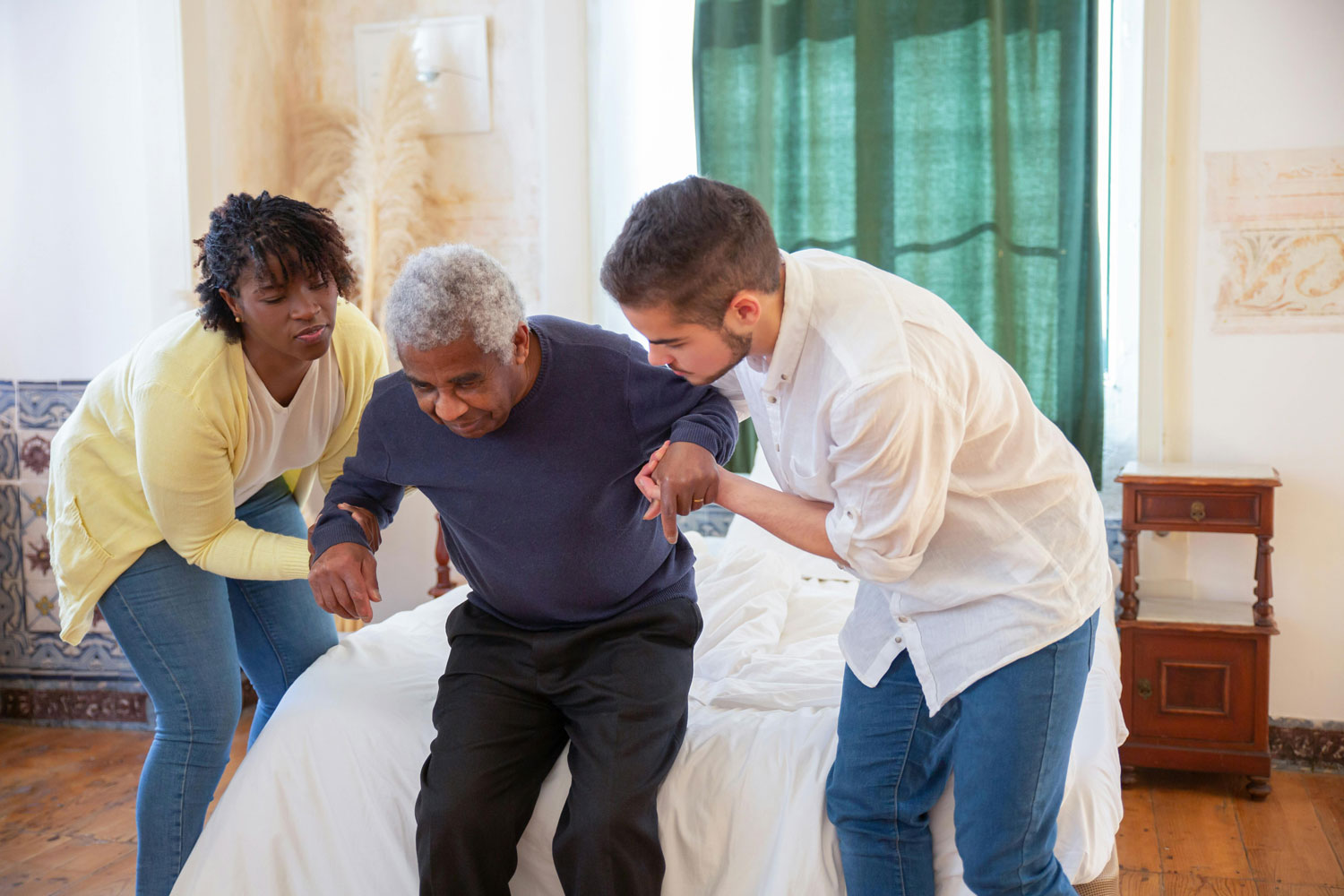
Our care cycle
Person-Centred Planning
We follow a structured four-stage model to ensure every person receives tailored, responsive, and well-reviewed support, respecting their unique cultural and personal values.
Assessment
We begin by getting to know each individual — understanding their health, preferences, risks, and goals for support, including any cultural or language barriers.
Planning
We co-create a support plan that reflects personal wishes, risk assessments, and input from families and professionals, ensuring it aligns with the Mental Capacity Act 2005.
Delivery
Support is delivered respectfully and reliably by trained staff, tailored to evolving needs and preferences, with a strong focus on dignity and independence.
Review Cycle
Plans are regularly reviewed with the individual and support network to ensure goals are being met and care remains effective, incorporating feedback and evidence.
Supporting Daily Life & Building Confidence
Promoting Independence & Life Skills
We help individuals build confidence and skills for everyday life — promoting autonomy, inclusion, and personal growth through daily routines and support, encouraging positive risk-taking.
Promoting Choice & Control
Encouraging individuals to make informed decisions about their care and daily routines, upholding their freedom of expression and equality.
Supporting Daily Routines
Providing gentle assistance with personal care, meal prep, and household tasks while respecting autonomy and promoting fulfillment.
Building Life Skills
Helping develop practical skills like budgeting, cooking, travel training, and personal organisation, with a focus on reablement.
Encouraging Community Access
Supporting participation in education, volunteering, recreation, and faith or cultural activities, fostering a sense of belonging.
Flexible, Evolving Support
Care plans adapt as needs change — from short-term goals to long-term skill-building, ensuring continuity of care and minimal staff changes.
Outcome-Focused Planning
We measure impact through quality of life improvements, independence, and individual feedback, aligned with CQC’s key lines of enquiry.
Safeguarding & Wellbeing
We create a culture of safety and transparency — ensuring every individual, family member, and staff member feels protected, respected, and supported, with a clear and accessible complaints procedure.
Our Commitment
Safeguarding is woven into everything we do — from recruitment and staff training to incident management and governance. Every team member is trained to identify and respond to risks promptly and appropriately, aligning with our whistleblowing policy.
Our Framework
We operate a multi-faceted safeguarding strategy including enhanced DBS checks, regular audits, whistleblowing policies, and clear escalation procedures. We maintain full compliance with CQC and local authority standards.

Community Integration
Our approach reduces isolation, builds confidence, and promotes a real sense of belonging for the people we support, aligning with Leeds City Council’s strategies for inclusive care.
Meaningful Social Inclusion
We support individuals to stay socially connected — from everyday interactions with neighbours or carers, to joining local interest groups and feeling part of their wider community. Social contact is key to reducing loneliness and building confidence, especially for those facing communication barriers.
Encouraging Local Engagement
We help people access local resources and attend events, religious services, volunteering placements, or skills-based groups that reflect their interests, cultural background, and personal goals. This reinforces identity and belonging, with particular attention to the Muslim community.

Outcomes That Matter to People and Commissioners
Our work is measured not just by activity, but by meaningful outcomes that improve lives, support independence, and meet regulatory expectations, reflecting CQC’s key lines of enquiry.
Measured Progress Toward Goals
We track individual goals across domains like life skills, health, confidence, and social participation, with clear review cycles and evidence-based improvements.
Improved Independence
Our support enables people to move from high-dependency to more autonomous living where safe and appropriate, particularly post-stroke or with dementia.
Increased Community Participation
We help reduce isolation and build social inclusion through volunteering, cultural engagement, and friendships, addressing language and cultural barriers.
Reduced Risk & Hospitalisation
Through early intervention and preventative care, we reduce the likelihood of escalation, incidents, and avoidable admissions, easing pressure on local services.
Improved Health & Wellbeing
We support physical and mental health through medication prompts, appointments, wellbeing routines, and emotional support, promoting overall fulfilment.
Positive Multi-Agency Feedback
We collaborate with social workers, NHS teams, and housing partners. We receive strong feedback on outcomes and coordination, aligning with our commitment to partnerships.
High Quality Assurance Ratings
Internal audits, spot checks, and commissioner reviews help us stay compliant, safe, and continuously improving, ensuring the highest standards of ethics and responsiveness.
Stronger Relationships & Social Bonds
We see improved family ties, friendships, and trust between people and their support teams, fostering unity among families and communities.
Feedback-Driven Continuous Improvement
We listen to service users, families, and professionals to improve how we support, communicate, and deliver care, using feedback and evidence to drive improvement.